
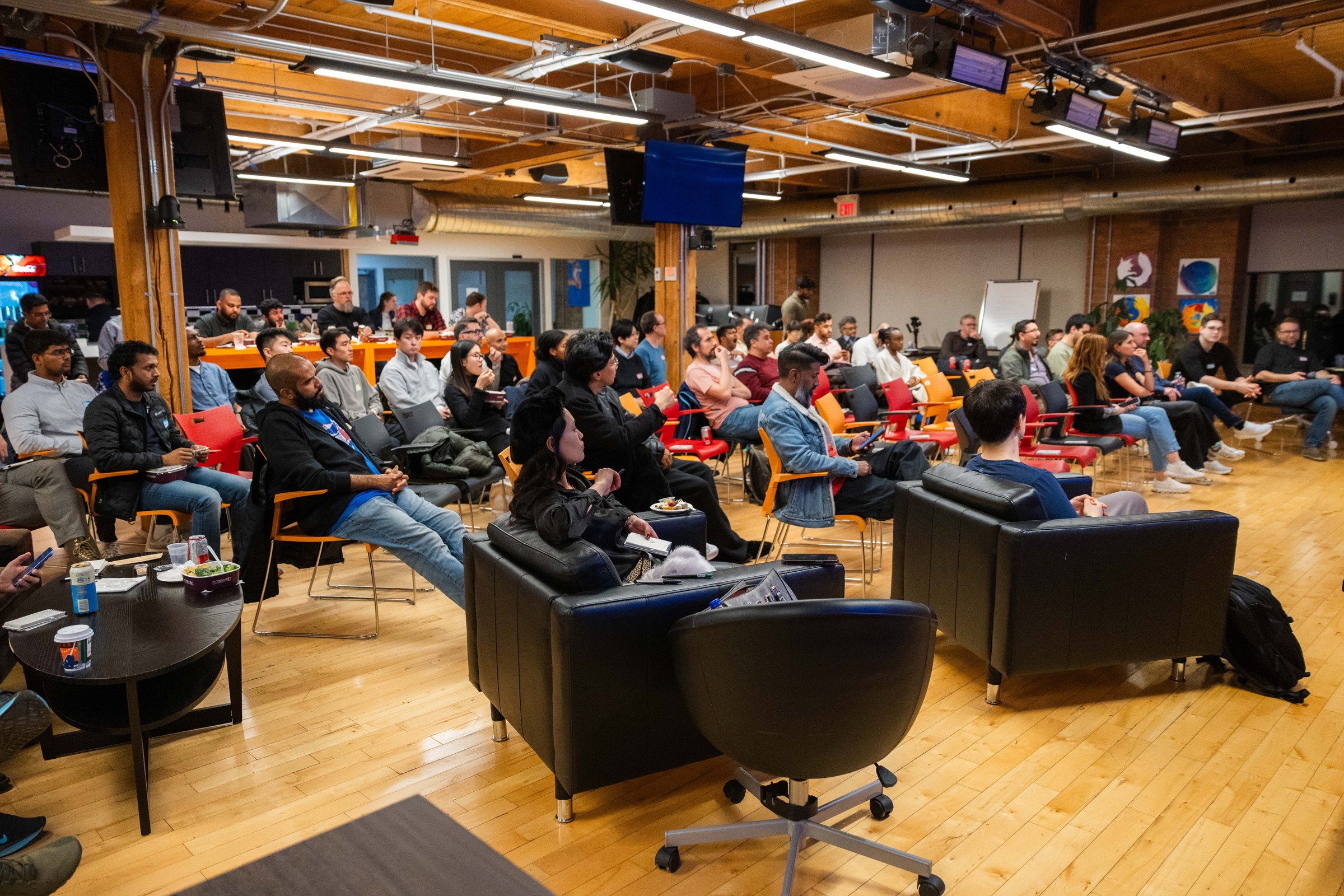
Unconference: Own Your AI Stack at Mozilla Toronto
WhenTue, November 17, 2026 · 6:00 p.m. EST – 8:30 p.m. EST
WhereMozilla Toronto, 366 Adelaide St W, Suite 500
Attended112+ people
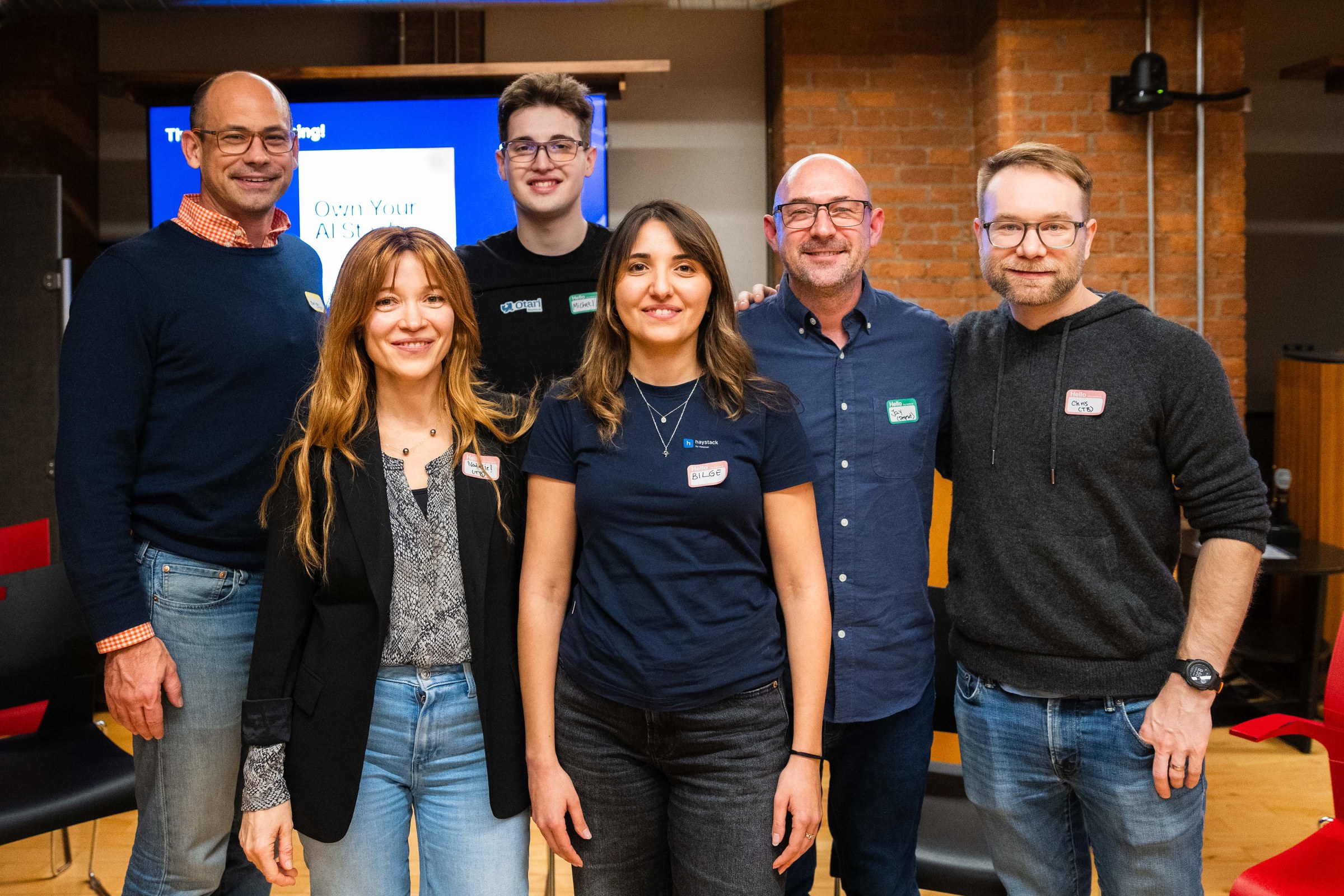
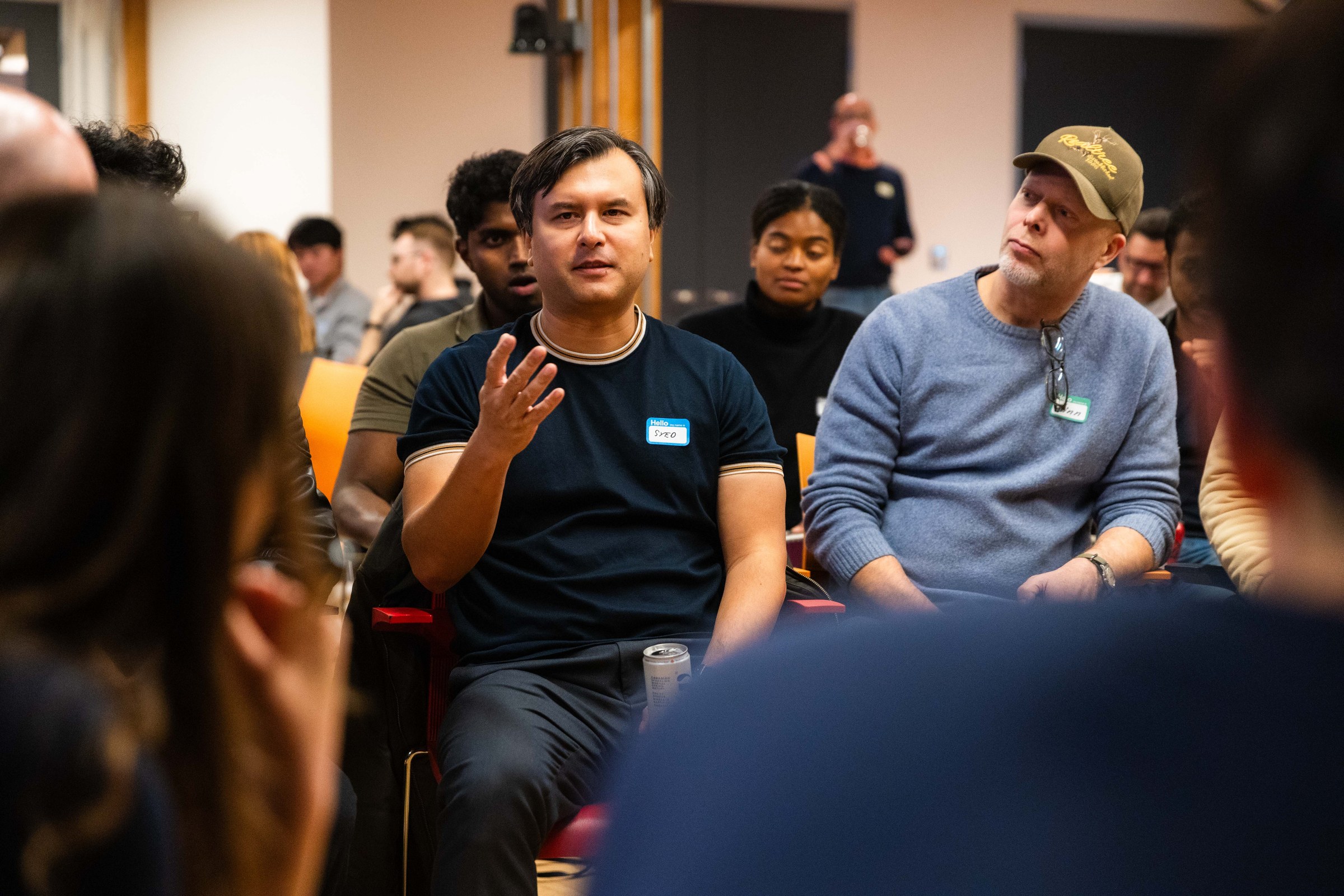
On November 17, 2026, Mozilla Toronto opened its downtown office to the city's AI community for Unconference: Own Your AI Stack, an open-source AI meetup hosted by Mozilla and deepset (the team behind Haystack) in partnership with TorontoAI and Agentic AI Foundation Toronto. 112 people attended: AI and agent engineers, developers, product and tech leads, founders, and AI leads from large banks, AI research institutes, enterprise software companies, startups, and the open-source community.
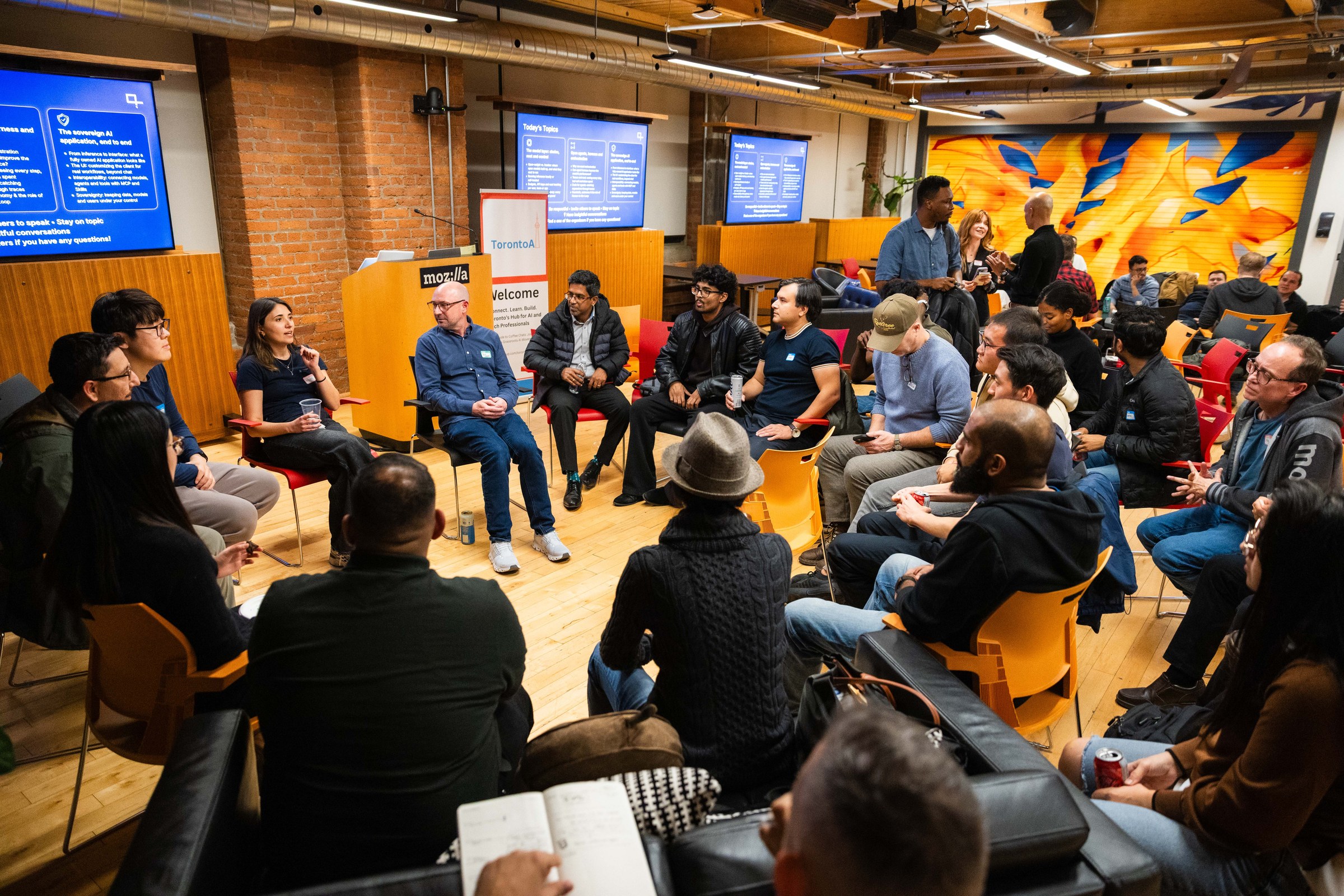
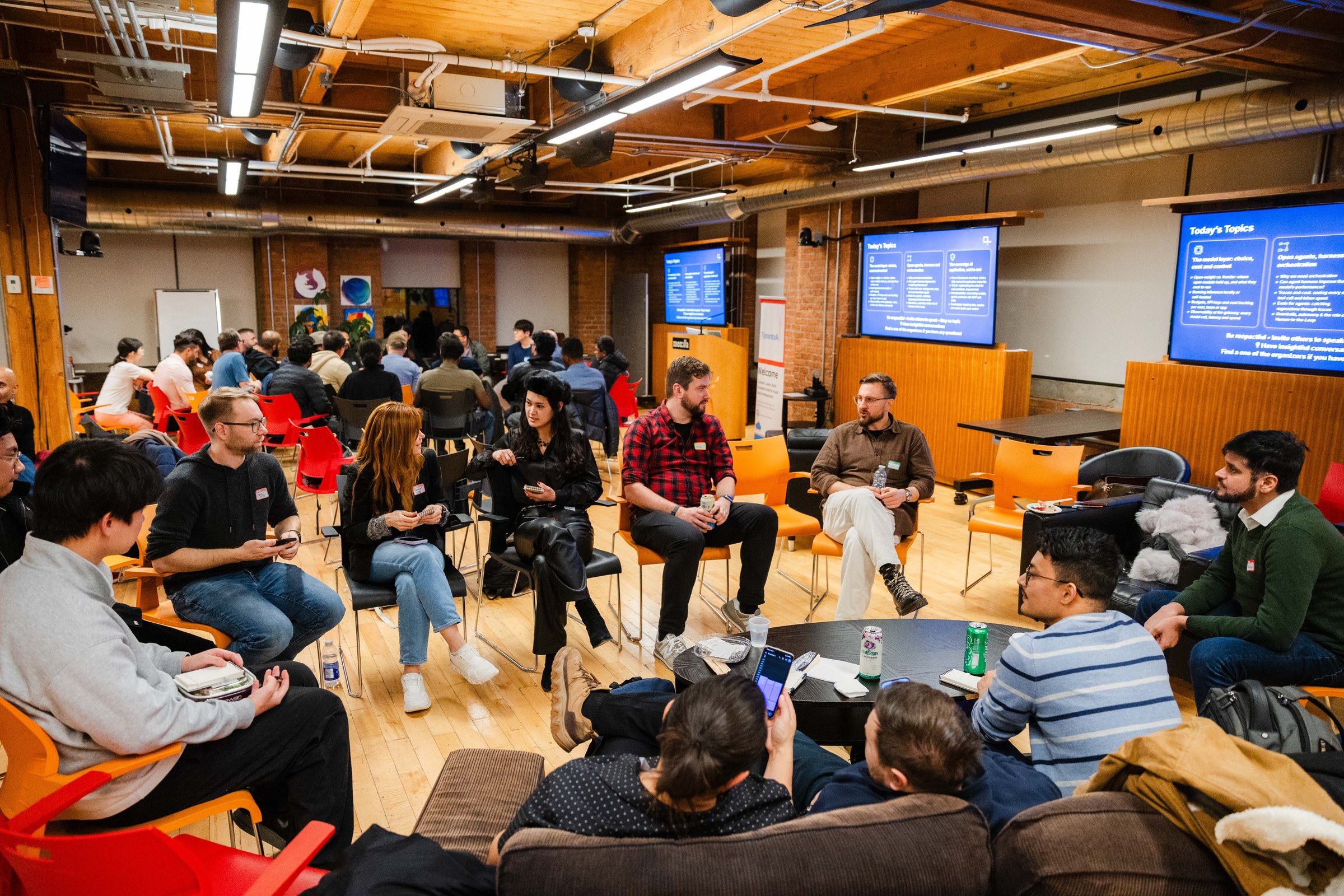
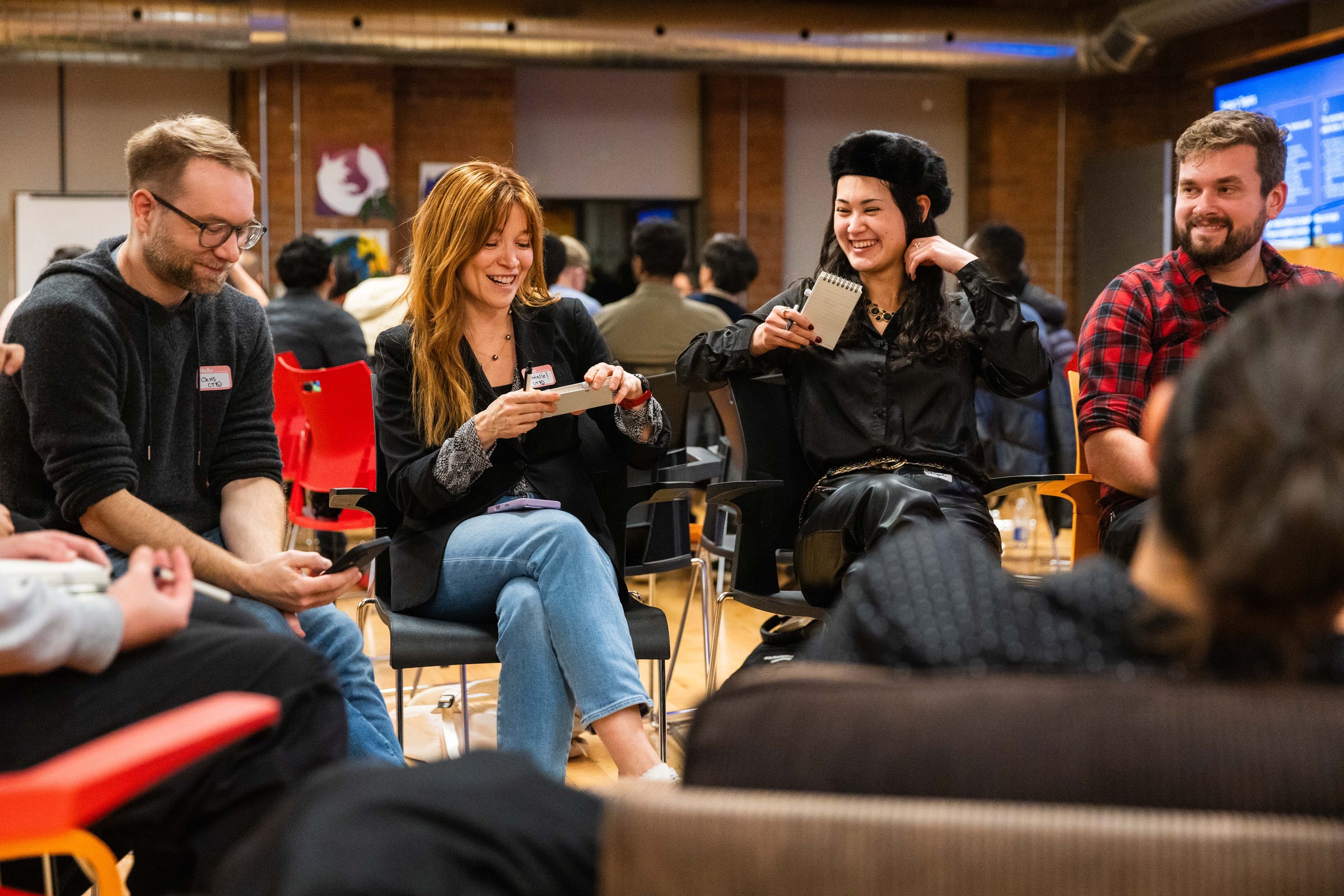
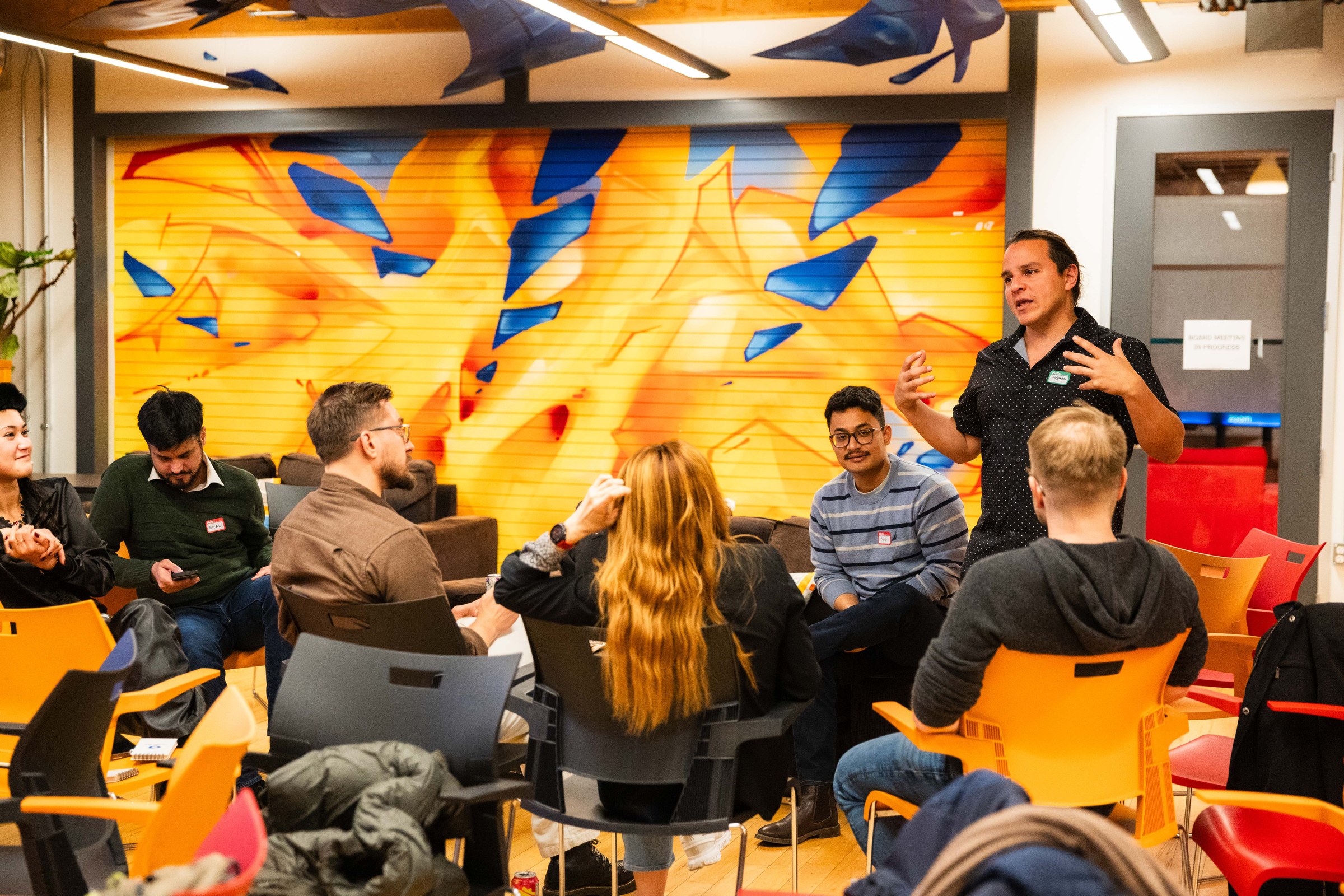
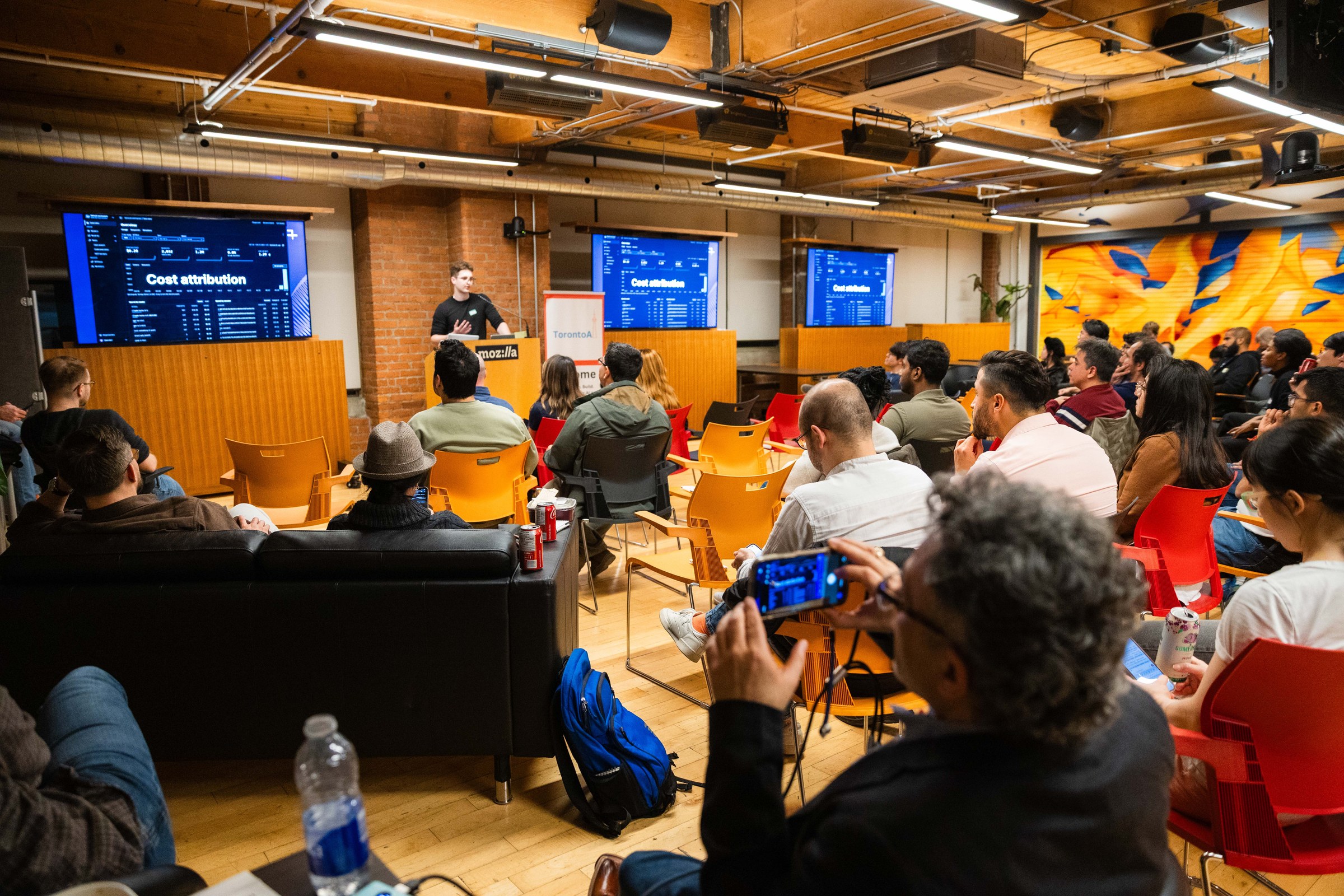
There were no talks to sit through. A short round of presentations set the scene, then the room split into small groups and discussed open agents, the model layer, and what a fully owned AI application looks like.
Why an unconference on owning your AI stack
The question behind the evening was practical: how do you choose models, agents, and tools without giving up control of your data or locking yourself into one vendor? That is a live decision for every Toronto team moving AI from prototype to production, and open-source software gives teams real options at every layer: the agent framework, the interface, and the model gateway.
What was presented
The opening remarks covered three open-source projects that fit together into one stack you can run yourself.
Haystack by deepset: the agent layer
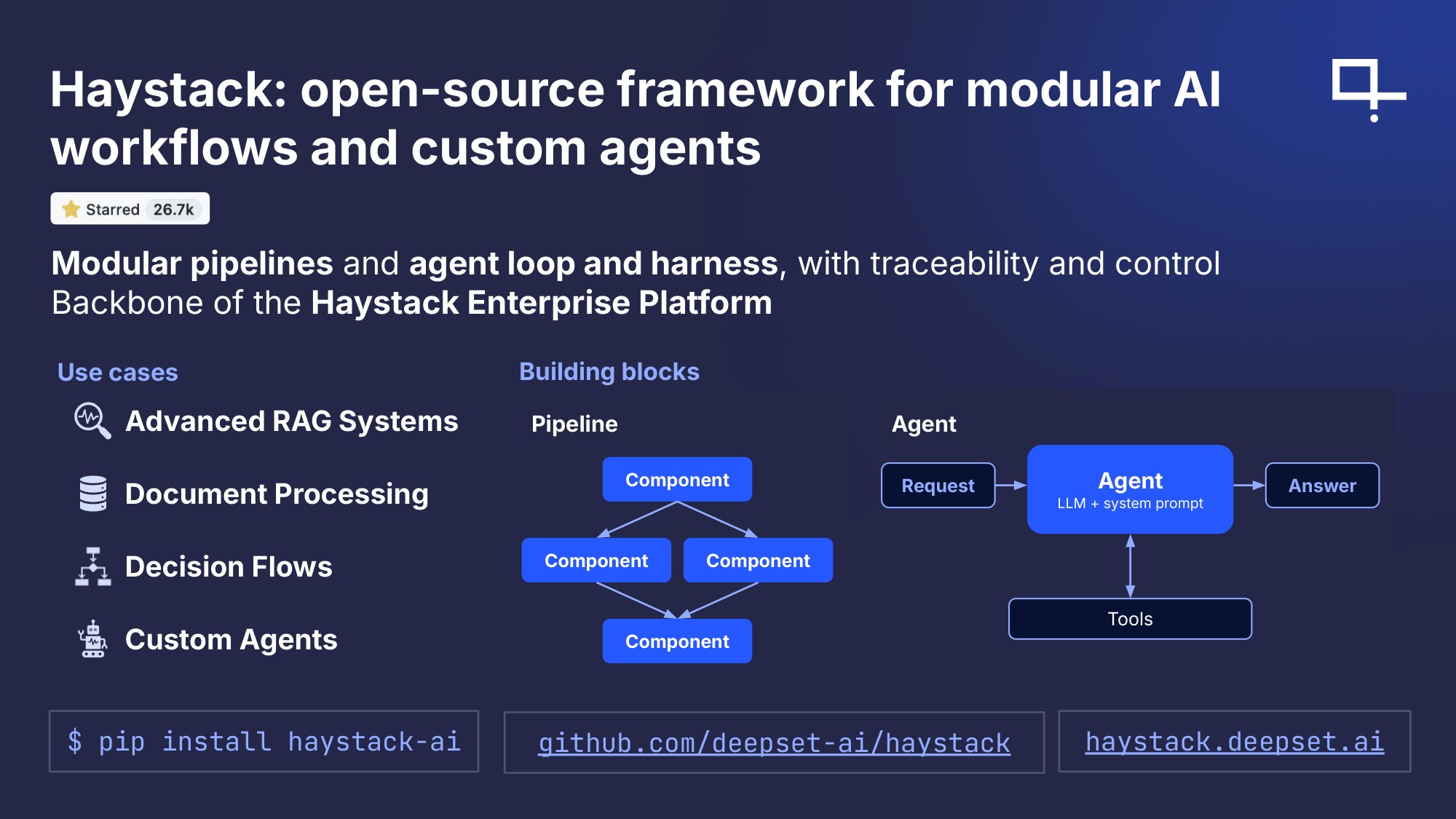
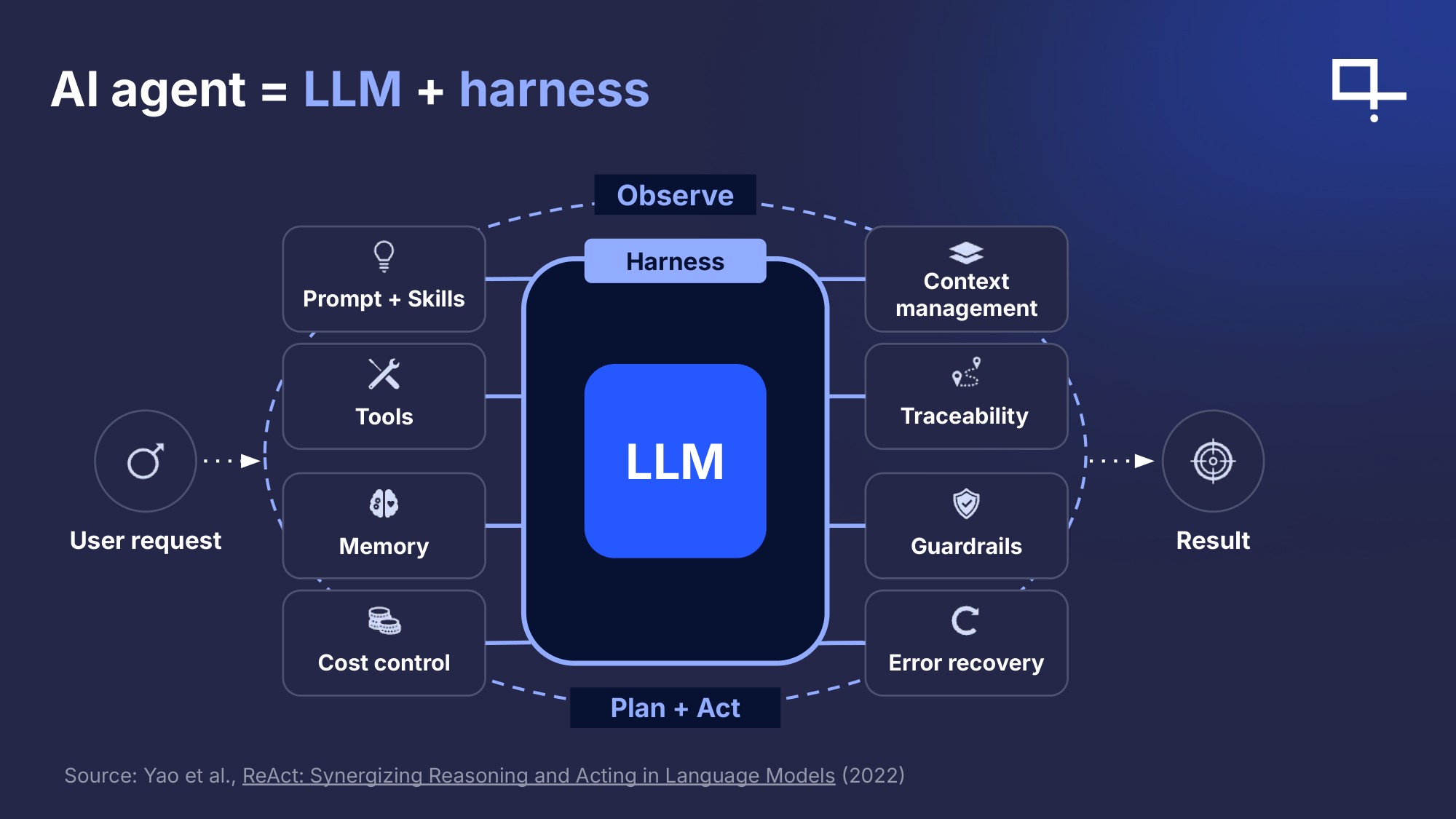
deepset, based in Berlin and building production AI since 2018, presented Haystack, its open-source framework for modular AI workflows and custom agents. The core idea was a simple equation: an AI agent is an LLM plus a harness. The harness is everything around the model: prompts and skills, tools, memory, context management, cost control, guardrails, traceability, and error recovery. The deck also covered the Haystack Enterprise Platform, the operational layer for building, optimizing, and operating agents as governed, version-controlled endpoints.
Thunderbolt by Mozilla and Thunderbird: the interface
Thunderbolt is an open-source AI workspace you own. It is model-agnostic (any OpenAI-compatible API, local models through Ollama or llama.cpp), self-hostable on-prem, in a sovereign cloud, or air-gapped, and runs natively on web, desktop, and mobile. It is licensed under MPL 2.0 and extends through MCP, automations, and native Haystack pipelines. Mozilla also highlighted confidential inference and end-to-end encryption as the differentiator.
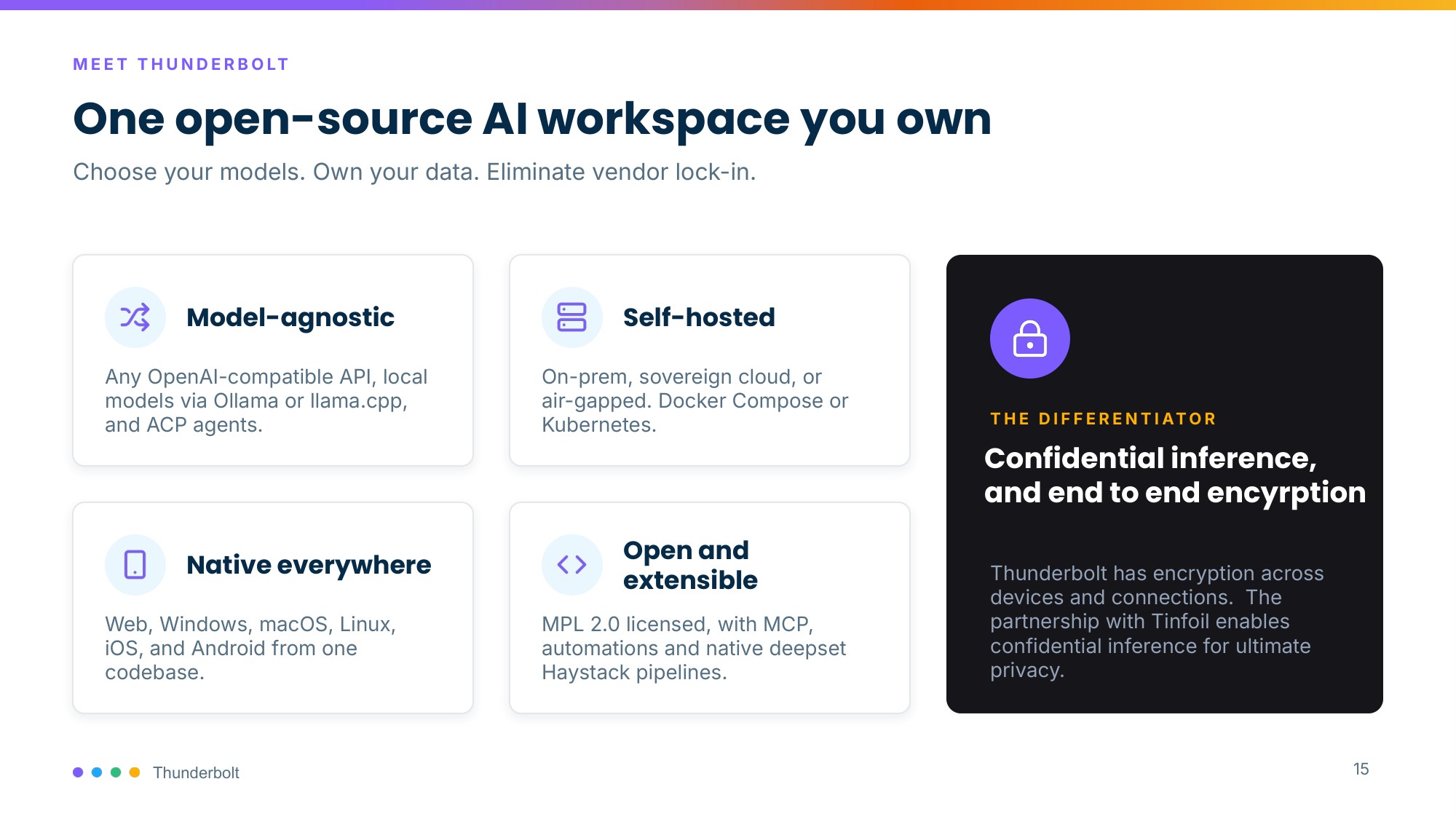
Otari by Mozilla.ai: the model layer
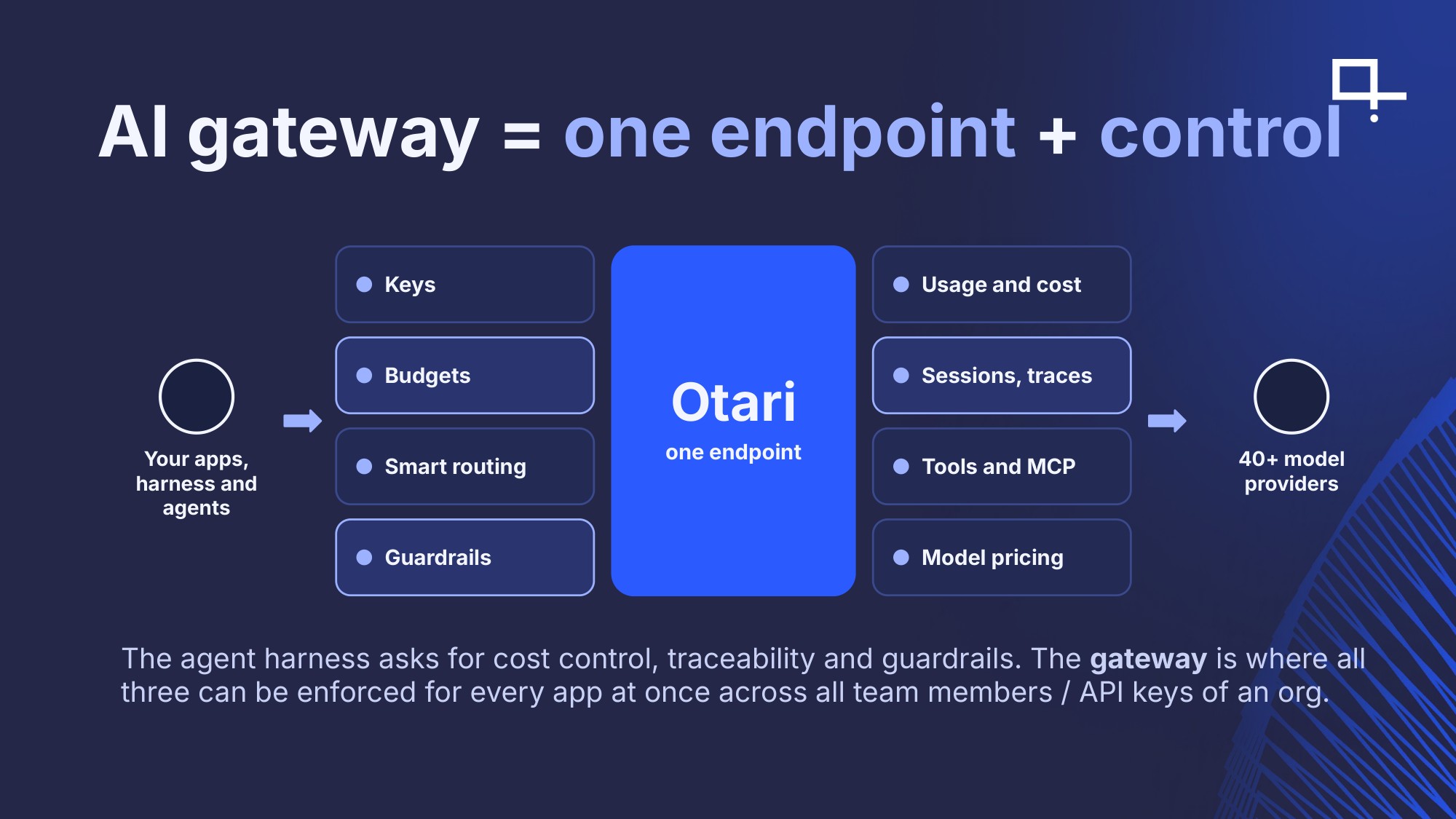
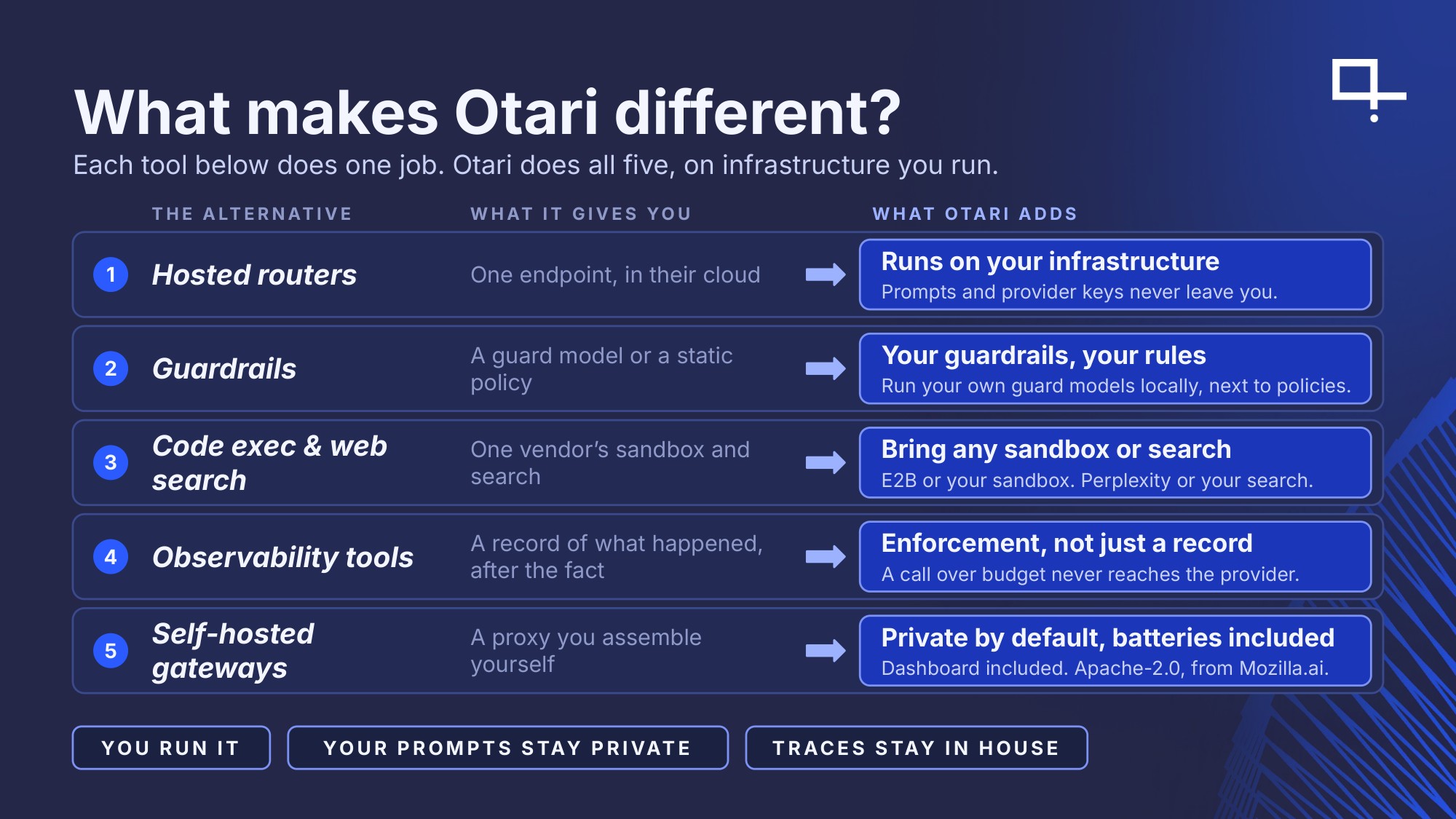
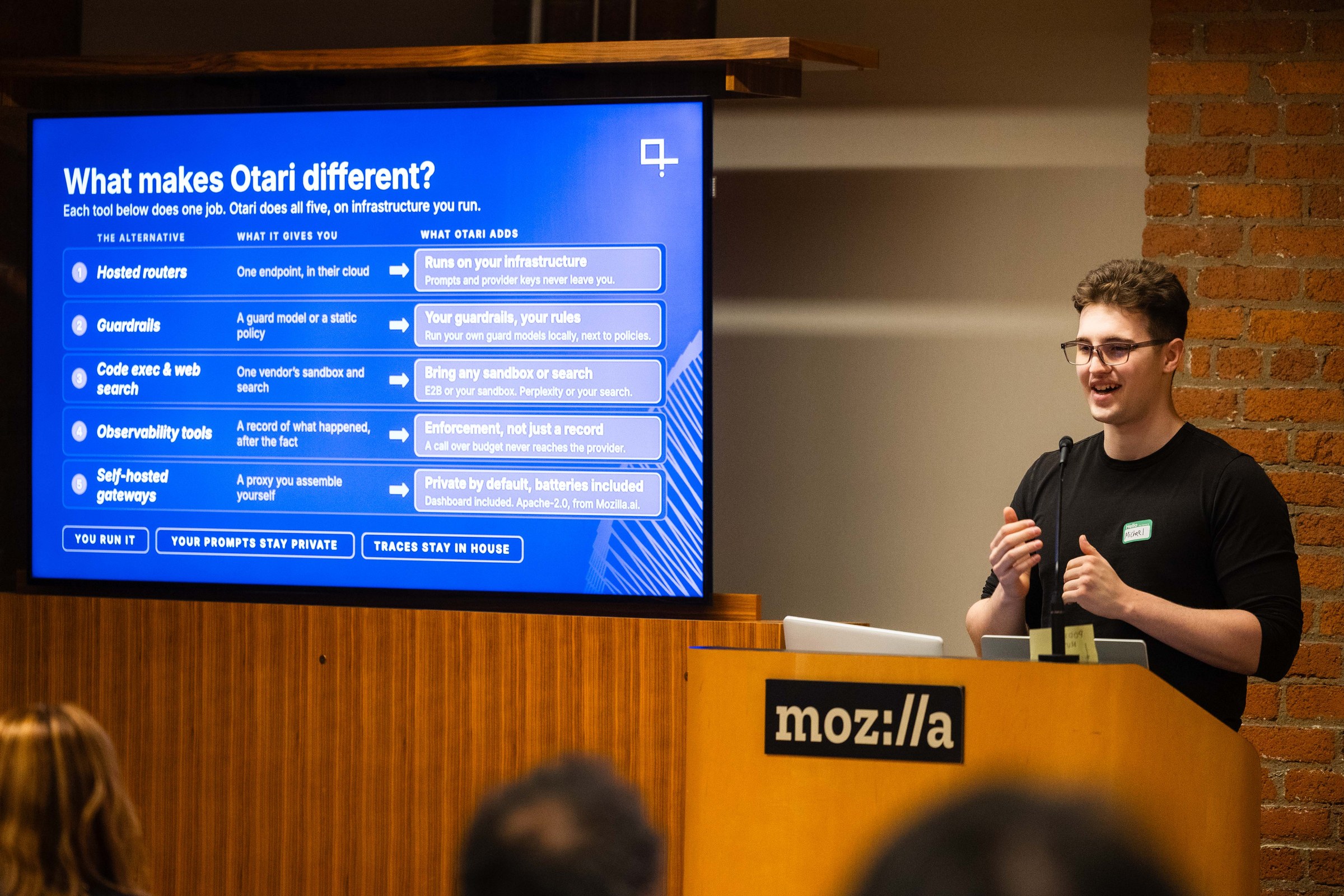
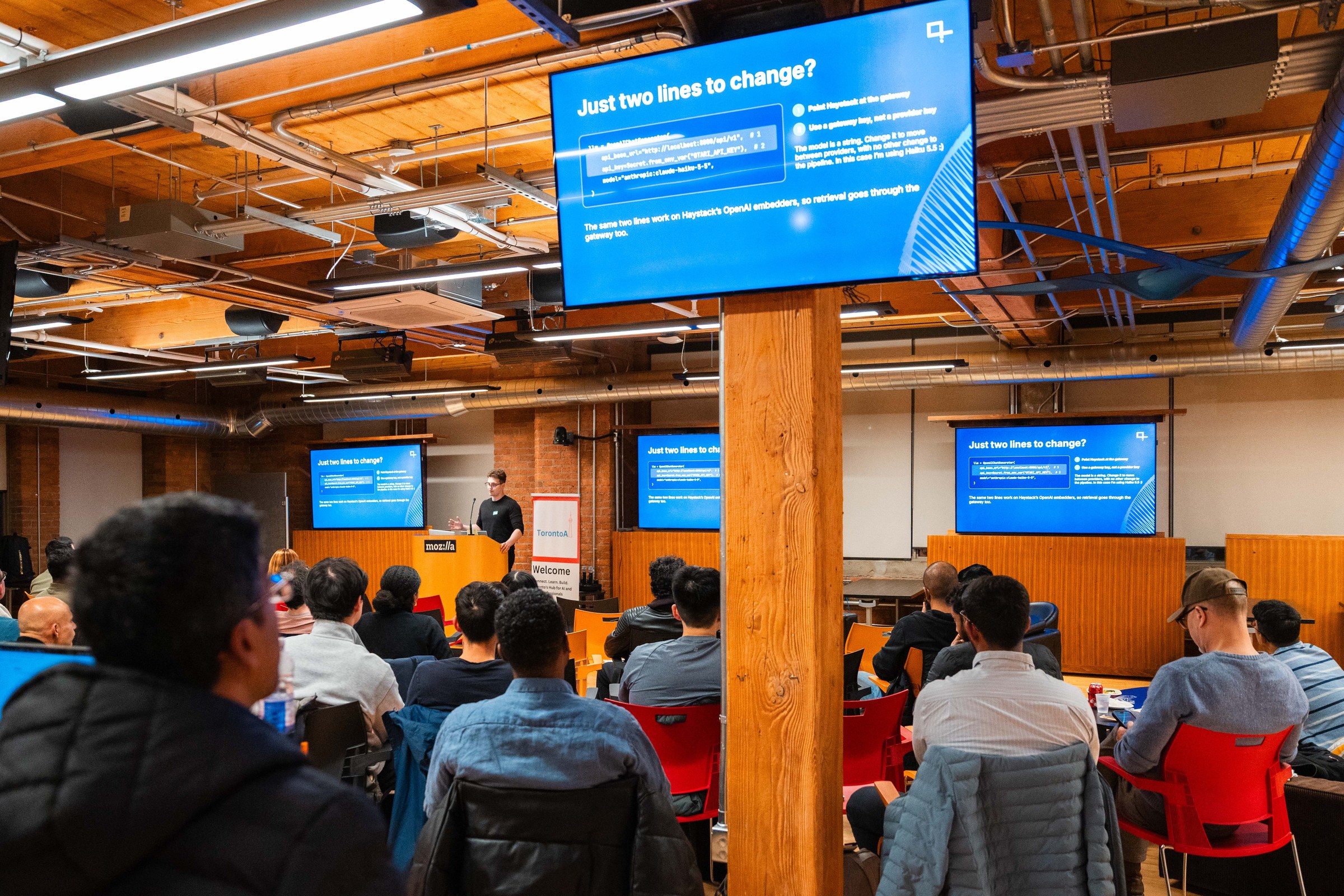
Otari is an open-source (Apache 2.0) AI gateway from Mozilla.ai: one endpoint in front of 40+ model providers, with keys, budgets, smart routing, guardrails, usage and cost tracking, and traces. The pitch was that an agent harness needs cost control, traceability, and guardrails, and the gateway is where all three can be enforced for every app and every API key at once. The live demo pointed a Haystack agent at Otari by changing two lines of code, then ran a multi-model benchmark with a budget-aware judge.
The topics the room discussed
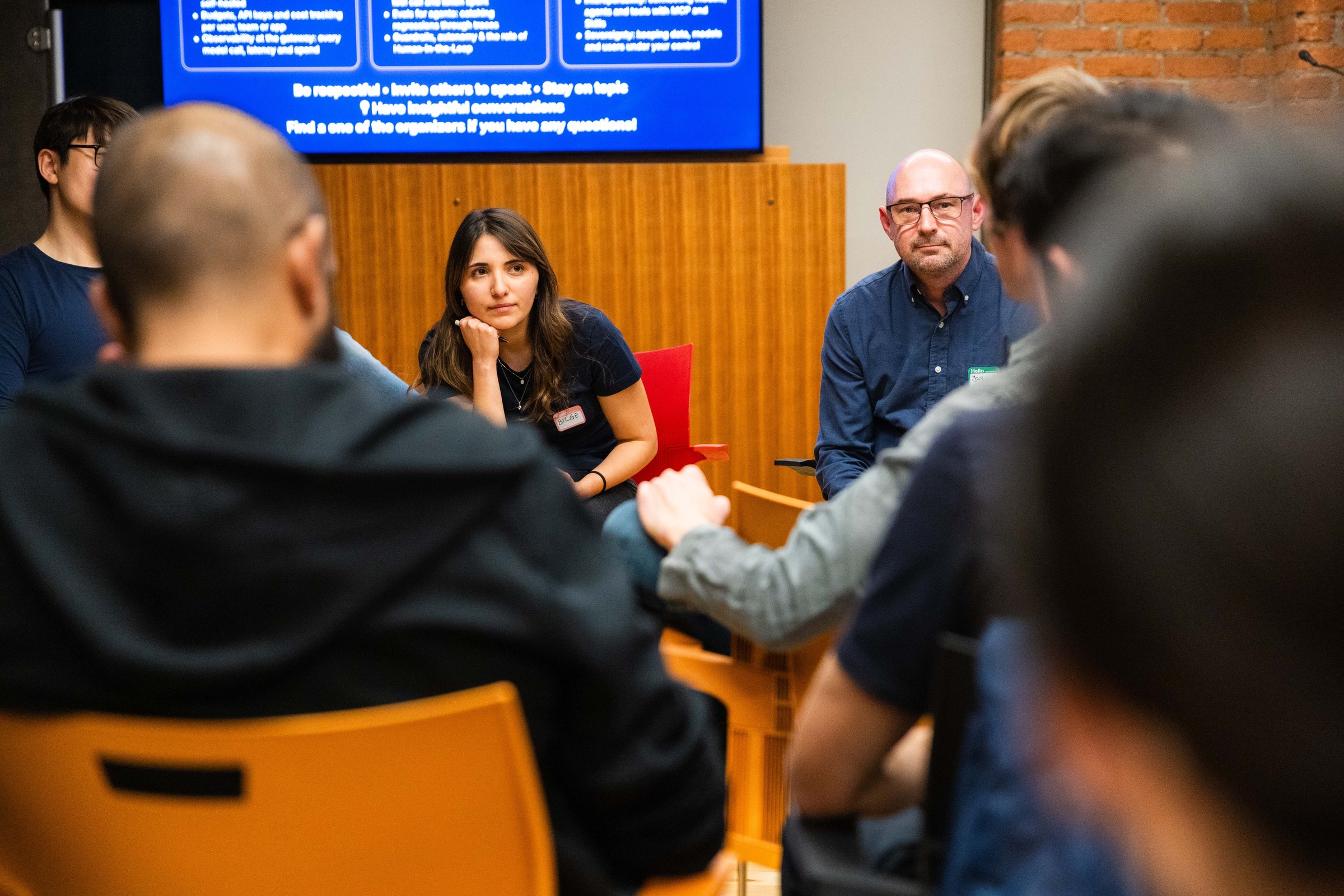
An unconference flips the usual format: participants lead the discussion, moderators are not speakers, and everyone contributes questions and real-world lessons. The room worked through three tracks, then shared back what each group had discussed.
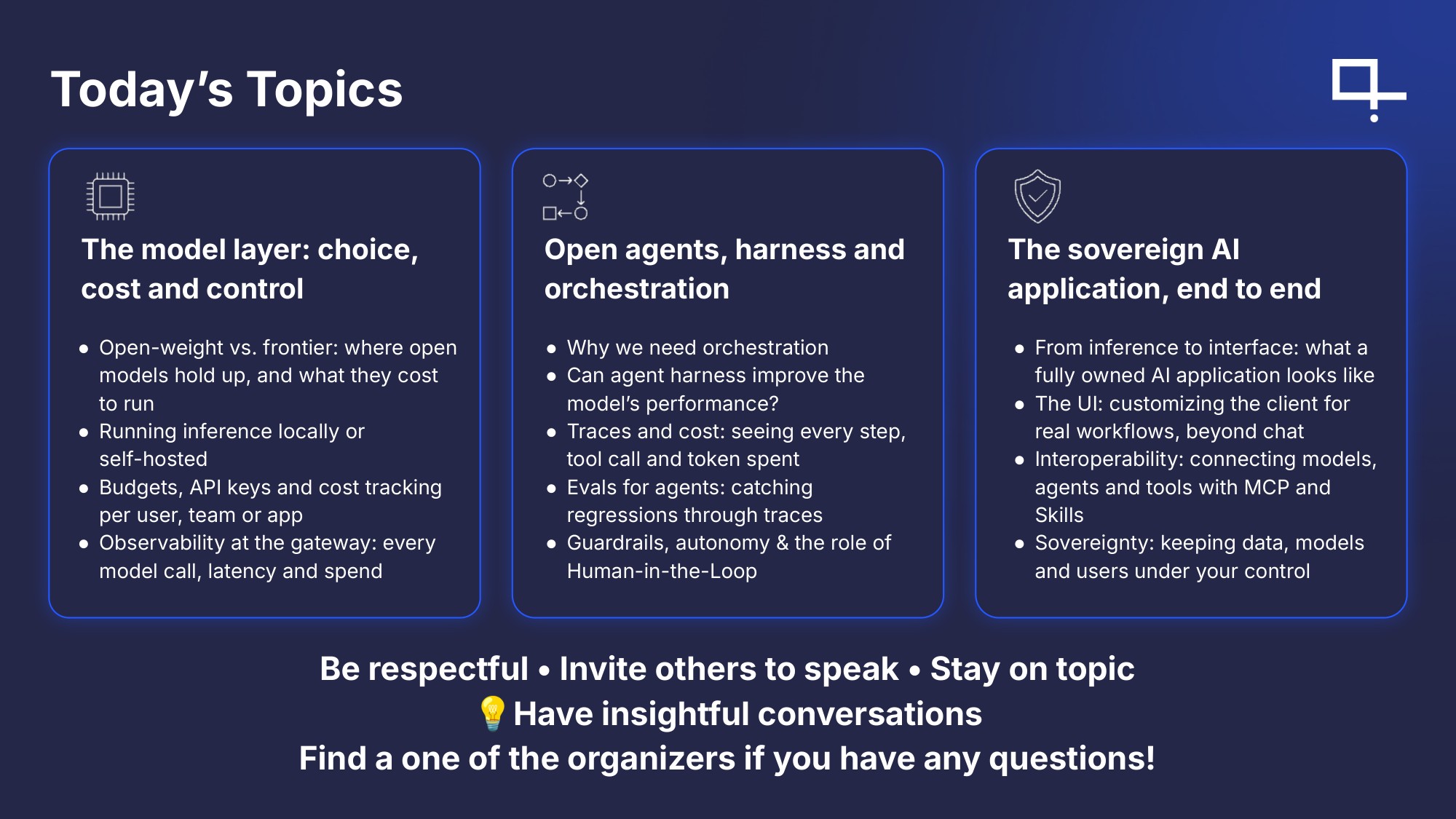
1. The model layer: choice, cost and control
- Open-weight versus frontier models: where open models hold up, and what they cost to run
- Running inference locally or self-hosted
- Budgets, API keys, and cost tracking per user, team, or app
- Observability at the gateway: every model call, latency, and spend
2. Open agents, harness and orchestration
- Why we need orchestration
- Whether an agent harness can improve a model's performance
- Traces and cost: seeing every step, tool call, and token spent
- Evals for agents: catching regressions through traces
- Guardrails, autonomy, and the role of human-in-the-loop
3. The sovereign AI application, end to end
- From inference to interface: what a fully owned AI application looks like
- The UI: customizing the client for real workflows, beyond chat
- Interoperability: connecting models, agents, and tools with MCP and Skills
- Sovereignty: keeping data, models, and users under your control
How the evening ran
- 6:00 to 6:30 pm: Arrival and welcome drinks
- 6:30 to 7:00 pm: Opening remarks and presentations on Haystack, Thunderbolt, and Otari
- 7:00 to 8:00 pm: Unconference sessions
- 8:00 to 8:30 pm: Networking
TorontoAI and Mozilla: building the open-source AI community in Toronto
Open-source AI only works when people meet, compare notes, and learn from each other's production experience. This event put several groups in one room: Mozilla Toronto as host, Mozilla.ai and Thunderbird as the builders of Otari and Thunderbolt, deepset as the maintainers of Haystack, and TorontoAI's grassroots community of AI builders, with Agentic AI Foundation Toronto joining as a community partner.
What that partnership gave Toronto:
- A neutral, open venue. Mozilla Toronto hosted a vendor-independent conversation about models, agents, and tools, instead of a product pitch.
- Access to the people who build the tools. Attendees could put questions about Haystack, Thunderbolt, and Otari directly to the teams behind them.
- A format built for practitioners. Participants set the agenda through the topics they submitted, so the discussion followed real problems from real teams.
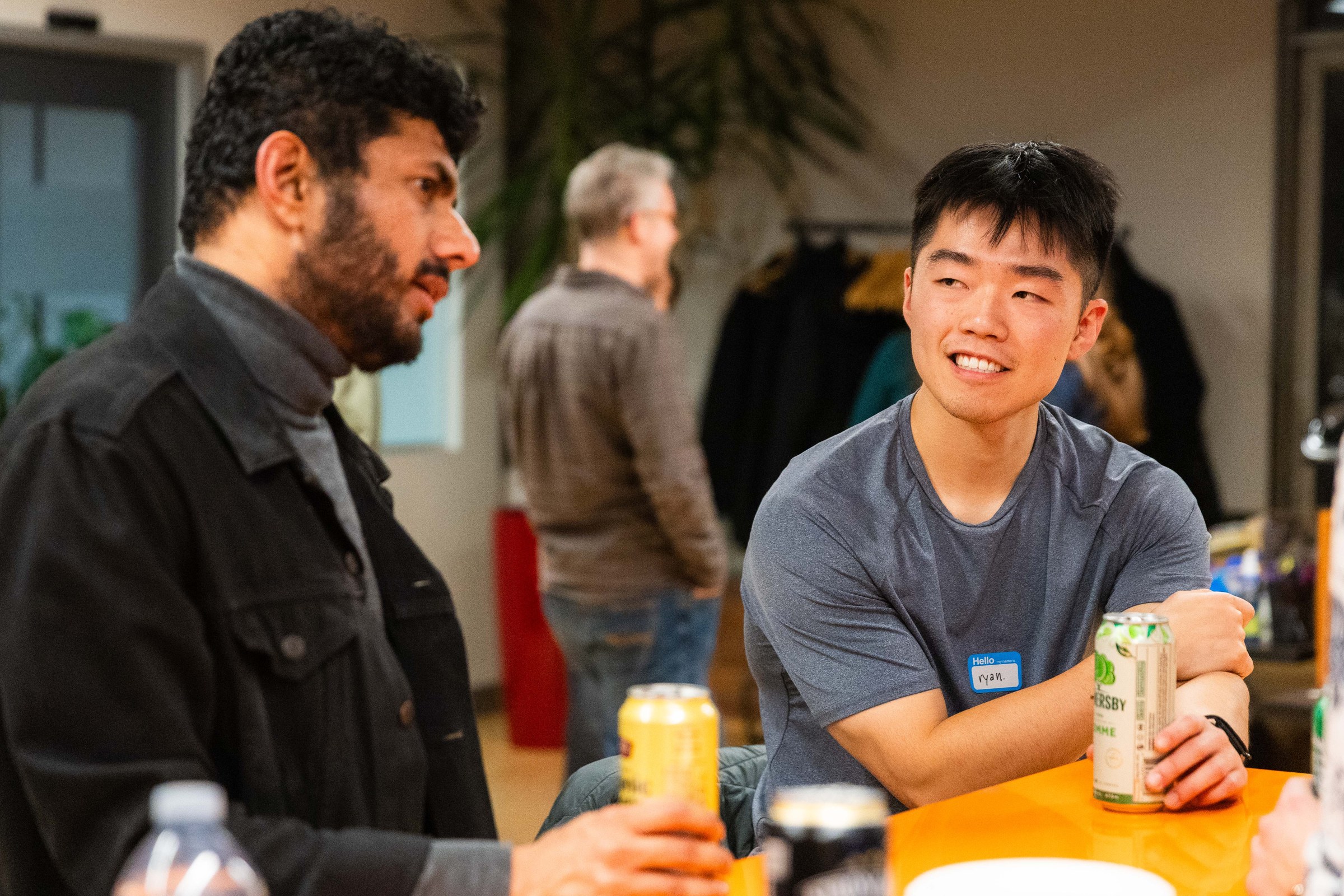
- A mixed room. Engineers, founders, product leads, and AI leaders from banks, research institutes, enterprises, and startups compared notes in the same small groups.
TorontoAI is a community of 10K+ members, and partnerships like this one with Mozilla and deepset are how we keep Toronto's open-source AI conversation practical, vendor-neutral, and open to anyone who wants to build.
Resources to keep exploring
- Haystack by deepset: open-source framework for AI agents and defined workflows, haystack.deepset.ai and github.com/deepset-ai/haystack
- Otari by Mozilla.ai: Apache-2.0 AI gateway, github.com/mozilla-ai/otari
- Thunderbolt by Mozilla and Thunderbird: github.com/thunderbird/thunderbolt
- The original event page: Unconference: Own Your AI Stack on Luma
Frequently asked questions
What was the Own Your AI Stack unconference? A free-form open-source AI meetup at Mozilla Toronto on November 17, 2026, hosted by Mozilla and deepset (Haystack) with TorontoAI and Agentic AI Foundation Toronto. It opened with presentations on Haystack, Thunderbolt, and Otari and then moved into attendee-led small-group discussions.
What is an unconference? An unconference has no fixed speaker lineup. Participants lead the discussion, moderators are not speakers, and the content comes from the people in the room.
What topics were discussed? Three tracks: the model layer (choice, cost, and control), open agents with harness and orchestration, and the sovereign AI application end to end.
Who attended? 112 people, including AI and agent engineers, developers, product managers and tech leads, founders, engineering managers, and innovation leads from large banks, AI research institutes, enterprise software companies, startups, and the open-source community.
What are Haystack, Thunderbolt, and Otari? Haystack is deepset's open-source framework for AI agents and workflows. Thunderbolt is Mozilla's open-source, self-hostable AI workspace. Otari is Mozilla.ai's open-source AI gateway for keys, budgets, routing, and guardrails across model providers.
How can I join the next TorontoAI event? Browse upcoming events on the TorontoAI events page and join the community to hear about new meetups, workshops, and open-source AI discussions in Toronto.
Photos
Speakers

Jay Wilder
VP of Marketing and DevRel, deepset
VP of Marketing and Developer Relations at deepset, the company behind Haystack, the open-source framework for building AI agents and defined workflows.

Bilge Yücel
Developer Relations, deepset
Developer Relations at deepset, the company behind Haystack, the open-source framework for building AI agents and defined workflows.

Brian Finucane
CTO, Metric Strategies Consulting Group
CTO at Metric Strategies Consulting Group.

Michael Gringauz
Senior Platform Engineer, Mozilla.ai
Senior Platform Engineer at Mozilla.ai, the team behind the open-source Otari AI gateway.